Top 10 Actuator Valves Buyers Need to Know About?

Time:2026-07-11 Author:Sienna
0%

The selection of actuator valves is critical for various industries, impacting operational efficiency and safety. According to a recent market study by Grand View Research, the actuator valve market is projected to reach $8.5 billion by 2027, emphasizing its importance in the manufacturing sector. Industry expert Dr. Sarah Thompson, a leading engineer in fluid dynamics, states, "The right actuator valve can significantly enhance process control."

Choosing among the top 10 actuator valves can be daunting. Each valve type offers unique advantages and applications. For instance, electric actuator valves provide precise control, while pneumatic options excel in rapid response times. Understanding these differences is essential for making informed decisions. With a multitude of options, it often becomes easy to overlook specific needs in the quest for efficiency.

Moreover, the actuator valve market is evolving. Innovations like smart valves equipped with IoT capabilities are gaining traction. However, not all advancements are beneficial for every application. Companies must critically evaluate their needs versus the latest technology trends. In this dynamic landscape, gaining insights into the best actuator valves can lead to improved performance and reduced costs.
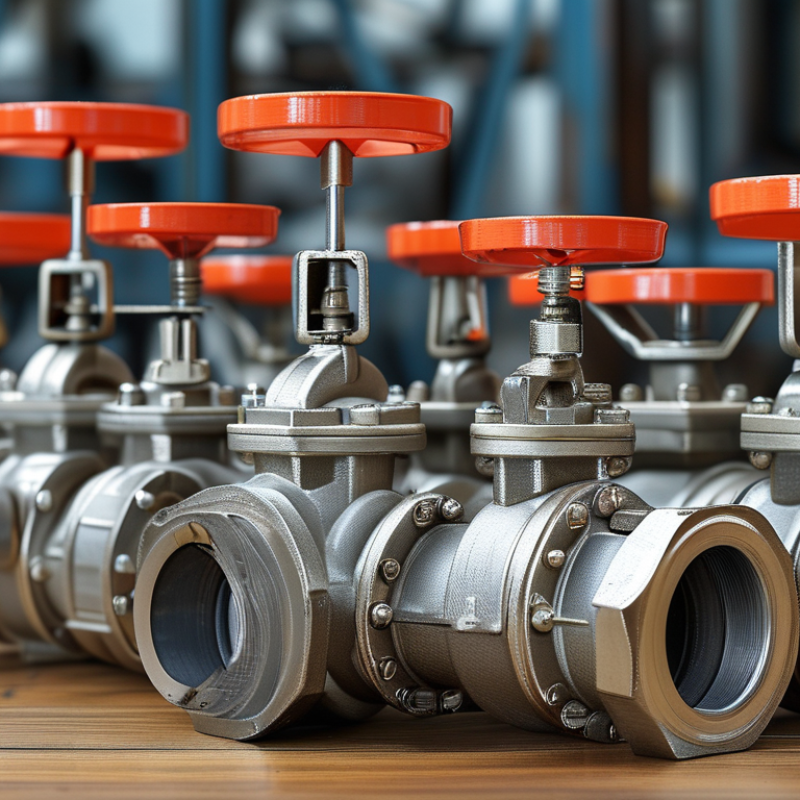
Top 10 Actuator Valves Buyers Need to Know About?

Overview of Actuator Valves and Their Applications

Actuator valves play a crucial role in various industries. They control the flow of fluids by converting energy into mechanical motion. These valves are essential in processes like oil refining, water treatment, and food production. They ensure precision, reliability, and efficiency in regulating fluid dynamics.

Different actuator valves serve distinct purposes. For example, butterfly valves are lightweight and provide excellent flow control. Globe valves, on the other hand, excel in regulating flow rate. Understanding these options is vital when selecting the right valve for specific applications. Many projects stumble due to improper valve choices. It’s important to evaluate both operational needs and potential limitations before making a decision.

Applications vary widely, from industrial to residential uses. In HVAC systems, for instance, actuator valves help maintain optimal temperatures. In the pharmaceutical industry, they ensure proper mixing of ingredients. However, it's crucial to consider the environment in which these valves operate. Factors like temperature, pressure, and chemical compatibility can impact performance. It's wise to learn from past experiences when choosing actuator valves. An informed choice can lead to significant improvements in operational efficiency.

Key Types of Actuator Valves for Different Industries

Actuator valves play a crucial role in various industries. They control the flow of fluids, ensuring operations run smoothly. In the oil and gas sector, these valves manage high-pressure environments. They help optimize processes like extraction and refining. Precision is vital here, as a small error can lead to significant losses.

In water treatment facilities, actuator valves maintain water quality and distribution. They ensure that the right amount of chemicals is added to purify water. This application showcases the importance of reliability. Mechanical failures can disrupt service and affect public health.

The food and beverage industry also relies on actuator valves. They help maintain strict hygiene standards and precise flow rates. However, not all actuator valves fit every need. Choosing the right valve demands careful consideration of various factors. Users must reflect on their specific application needs. Understanding the environment and required standards is essential for optimal performance.

Top 10 Actuator Valves Buyers Need to Know About

Factors to Consider When Selecting Actuator Valves

When selecting actuator valves, several critical factors come into play. A study by MarketsandMarkets estimates that the actuator valve market will reach $6.5 billion by 2025, highlighting the growing demand for precision in fluid control systems. Buyers must consider the valve type, actuator mechanism, and materials used in construction. For instance, pneumatic actuators are often preferred for their speed, while electric actuators provide better positional accuracy.

Another vital aspect is compatibility with existing infrastructure. Incompatible designs can lead to failures and costly downtime. According to research by the Flow Control Association, replacing mismatched components can increase operational costs by 30%. Buyers should also evaluate the operating environment. Temperature extremes, corrosive substances, and pressure ranges can significantly impact valve performance. Using the wrong materials can lead to premature failure. Reviewing specifications and consulting with industry experts can help avoid such pitfalls.

Additionally, monitoring technology is gaining traction in the actuator valve domain. The integration of IoT technology allows for real-time performance tracking. This adds another layer of complexity when selecting valves, as buyers must consider connectivity options. Performance data can inform maintenance schedules, potentially extending the valve's lifespan and reducing overall costs. Balancing these factors is essential for ensuring reliability and efficiency in fluid control applications.

Top 10 Actuator Valves Buyers Need to Know About

# Type of Actuator Valve Size Range (inch) Operating Pressure (psi) Material Application
1 Electric Actuator 1-36 150-3000 Aluminum, Stainless Steel Water, Oil, Gas
2 Pneumatic Actuator 0.5-24 50-2000 Carbon Steel, Plastic Food Processing, Chemical
3 Hydraulic Actuator 2-48 100-5000 Stainless Steel, Bronze Industrial Automation
4 Solenoid Valve 1-4 0-150 Brass, Nylon Water, Pneumatic Systems
5 Manual Actuator 0.5-20 150-1000 Cast Iron, Steel HVAC, Waterworks
6 Smart Actuator 2-30 150-2000 Composite Materials Building Automation
7 Double-Acting Actuator 1-25 50-3000 Aluminum, Stainless Steel Oil & Gas, Water Treatment
8 Spring Return Actuator 1-20 150-1000 Stainless Steel Fire Protection, Safety
9 Rotary Actuator 2-40 100-1500 Aluminum, Plastic Automotive, Manufacturing
10 Linear Actuator 0.5-10 300-2000 Aluminum, Steel Robotics, Automation

Top 10 Actuator Valves Recommended for Buyers

When considering the best actuator valves, it's crucial to explore various types that cater to diverse industrial needs. According to a recent market report, the global actuator valve market is projected to reach $10.5 billion by 2027. This growth emphasizes the importance of selecting the right product.

Electric, pneumatic, and hydraulic actuator valves dominate the landscape. Electric actuators provide precise control and faster response times, making them ideal for automated systems. Pneumatic valves, with their high-speed operation, are favored in industries like oil and gas, where rapid action is necessary. In sectors requiring heavy-duty performance, hydraulic actuators stand out for their robustness and strength.

Furthermore, buyers should consider features such as torque output, size, and material compatibility. A study indicated that 62% of buyers prioritize durability and reliability in their selection. Understanding these factors helps ensure effective operation in critical applications. While many options exist, choosing the wrong valve can lead to costly downtime. Therefore, careful evaluation based on industry needs is essential. Reflecting on market dynamics and technological advancements will aid in making informed decisions.

Tips for Maintaining and Troubleshooting Actuator Valves

Maintaining and troubleshooting actuator valves is essential for efficient operation. Regular inspections are necessary. Look for signs of wear, leaks, or corrosion. It’s crucial to keep moving parts well-lubricated. This can extend the valve's lifespan significantly. Actuator valves operate under different pressures and temperatures, making them susceptible to various issues.

Whenever you notice erratic valve behavior, investigate promptly. Often, the root cause may be as simple as a misalignment or a minor obstruction. Ensure that the actuator is correctly calibrated. Calibration checks should become part of your routine. Neglecting minor problems can lead to major failures down the line.

For troubleshooting, start with the basics. Check the power supply and connections. Loose wires can lead to irregular operation. If troubleshooting seems overwhelming, don’t hesitate to consult an expert. Their seasoned insights can save time. Remember, preventive measures create a more reliable system.

FAQS

: What are actuator valves used for?

: Actuator valves control fluid flow by converting energy into mechanical motion. They are vital in many industries.

How do different types of actuator valves function?

Butterfly valves offer lightweight flow control, while globe valves excel at regulating flow rates. Both have unique purposes.

Why is it important to choose the right actuator valve?

Selecting the wrong valve can hinder project success. Evaluate operational needs and limitations carefully before deciding.

What environments affect actuator valve performance?

Factors like temperature, pressure, and chemical compatibility can impact how actuator valves operate. Assess these conditions thoroughly.

How often should actuator valves be inspected?

Regular inspections are crucial. Look for leaks, wear, and corrosion to maintain efficient operation of the valves.

What is a common problem with actuator valves?

Erratic behavior can stem from misalignment or obstructions. Investigate these issues promptly to prevent major failures.

What maintenance tips can extend actuator valve lifespan?

Keeping moving parts lubricated and performing routine calibrations can significantly extend the lifespan of actuator valves.

What should I check if an actuator valve malfunctions?

Start with checking the power supply and connections. Loose wires might cause irregular operation and need fixing.

When should I consult an expert for actuator valve issues?

If troubleshooting feels overwhelming or you can’t identify the problem, seek expert advice. Their insights can save time.

Why should preventive measures be considered for actuator valves?

Taking preventive measures minimizes the risk of failures. A reliable system can lead to smoother operations and less downtime.

Conclusion

Actuator valves play a crucial role in various industrial applications by controlling fluid flow with precision and efficiency. This article provides an overview of actuator valves, detailing their functionality and diverse uses across different sectors. It highlights the key types of actuator valves suitable for specific industries, helping buyers make informed decisions.

When selecting an actuator valve, it is essential to consider factors such as operating conditions, materials, and compatibility with other system components. The article recommends the top 10 actuator valves based on reliability and performance. Additionally, it offers valuable tips for maintaining and troubleshooting these valves to ensure optimal operation and longevity. Understanding these aspects will aid buyers in choosing the right actuator valve for their needs while ensuring efficient system performance.

Sienna

Sienna

Sienna is a skilled marketing professional with a deep expertise in our company’s core products and services. With a passion for innovation and detail, she plays a pivotal role in crafting insightful blog posts that not only highlight the unique features of our offerings but also provide valuable......