Choosing the right check valve is crucial for ensuring optimal performance in various fluid systems. A well-designed check valve prevents backflow, thereby protecting pumps and pipelines. According to industry reports, improper valve selection can lead to failures, resulting in maintenance costs that can exceed 20% of total system expenses.
The global check valve market was valued at over $4 billion in 2021 and is projected to grow significantly. This growth highlights the increasing importance of selecting appropriate check valves in industries such as water treatment, oil and gas, and chemical processing. However, many engineers often overlook specific requirements. They may prioritize cost over functionality, which can lead to inefficiencies.
To choose a check valve effectively, one must consider several factors. These include flow rate, pressure, and the medium involved. Understanding the unique application is essential. Inadequate attention to these details can result in suboptimal performance. Ultimately, proper selection reflects a commitment to reliability and efficiency in fluid management systems.
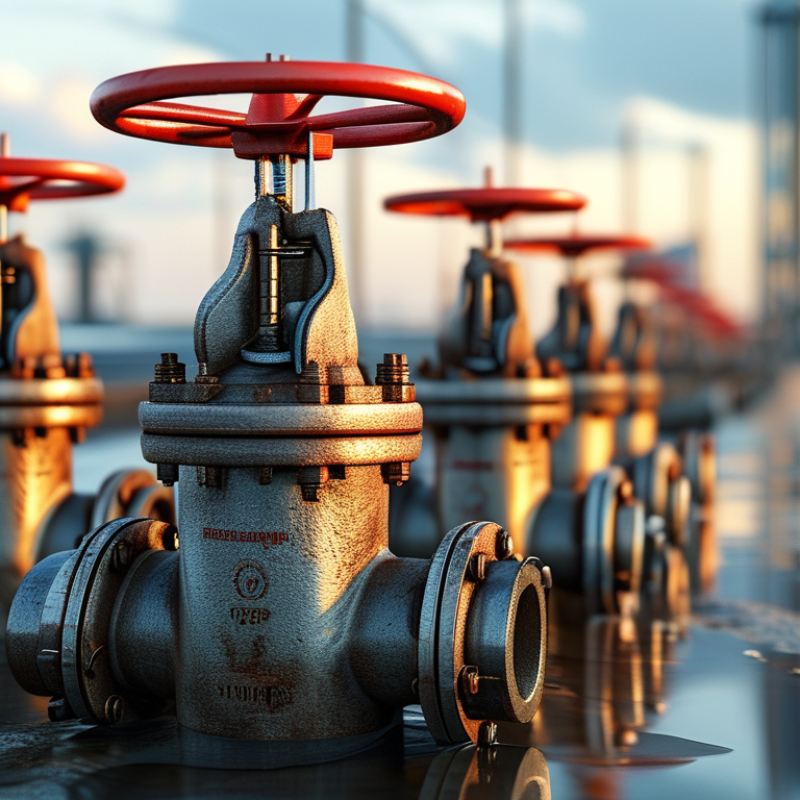
Check valves play a crucial role in fluid systems. They prevent backflow, ensuring fluid flows in one direction only. These valves are essential in many applications, from water supply networks to industrial processes. According to a report by MarketsandMarkets, the global check valve market is projected to grow significantly, reaching $8.45 billion by 2025. This emphasizes the increasing importance of selecting suitable check valves for specific needs.
When choosing a check valve, consider its functionality. They operate automatically, responding to changes in pressure. Common types include swing, lift, and ball check valves. Each type serves a distinct purpose. For example, swing check valves are ideal for larger pipes. They can handle higher flow rates effectively. On the other hand, lift check valves function well in smaller systems. They offer less resistance to flow.
Tips: Always assess the fluid's characteristics. Consider viscosity, temperature, and potential contaminants. These factors influence valve performance. Proper installation is also crucial. Misalignment can lead to valve failure. Ensure your setup allows optimal functionality.
Understanding these details can help avoid costly mistakes. Regular maintenance checks are essential as well. This ensures your check valves function correctly over time. Neglecting this can lead to system inefficiencies. Keep in mind, even small imperfections in installation can lead to significant problems later on.
When selecting a check valve, understanding the types available is crucial. There are several common varieties, each with unique features. The two most popular types are swing check valves and lift check valves. According to the American Society of Mechanical Engineers, swing check valves are ideal for larger pipelines. They operate effectively at high flow rates.
On the other hand, lift check valves are better for vertical applications. They can handle smaller flow rates with precision. A study published by the Flow Control Research Institute indicated that lift check valves can reduce pressure loss by 30% compared to swing check types. In certain uses, this means significant energy savings over time.
Another common type is double-disc check valves. These offer enhanced sealing capabilities. They are often used in industries where fluid contamination is a concern. However, installation can be tricky, leading to improper positioning in some cases. This may reduce their efficiency and effectiveness. Understanding the specific needs of your application will help in making the right choice.
Choosing the right check valve is crucial for any fluid system. Consider several key factors before making your decision. The type of fluid being handled can significantly impact your choice. For instance, corrosive fluids require materials that resist deterioration. Similarly, high-viscosity fluids may necessitate valves with larger openings to ensure an efficient flow.
Pressure and temperature ratings are also vital. Each check valve has specific limits. Exceeding these limits can lead to failure. Evaluate your system’s operating conditions. This helps in selecting a valve that suits your environment. Don’t overlook the installation space. Sometimes, a smaller valve might be more appropriate due to limited space.
Understanding the application purpose is essential. Whether for backflow prevention or to maintain system pressure, your valve choice should align with these needs. It’s worth noting that some common mistakes include underestimating flow rates. This can hinder performance and might not meet your expectations. Reflect on these elements carefully, as they play a major role in achieving the desired outcomes.
When selecting a check valve, it’s crucial to consider where you will use it. Different applications require specific types of check valves. For instance, in water treatment plants, swing check valves are popular due to their ability to handle large volumes of water. These valves prevent backflow effectively, ensuring clean water supply.
In industrial settings, lift check valves are often preferred. These valves function well under high pressure and moderate flow conditions. They are commonly used in piping systems that transport chemicals and other fluids. However, installation challenges may arise when space is limited. It’s vital to ensure adequate access for maintenance.
If you're looking at residential applications, consider using diaphragm check valves. They’re robust and operate efficiently in low-pressure systems typically found in home plumbing. While these valves are reliable, they can sometimes be sensitive to debris. Regular inspections can help mitigate potential issues. Understanding these application areas enhances your ability to choose the right valve effectively.
| Type of Check Valve | Application Areas | Material | Pressure Rating |
|---|---|---|---|
| Swing Check Valve | Water Supply, Wastewater Treatment | Cast Iron, Stainless Steel | 150 psi |
| Lift Check Valve | Hydraulic Systems, Oil & Gas | Brass, Carbon Steel | 300 psi |
| Dual Plate Check Valve | Pumping Stations, Power Plants | Stainless Steel, PVC | 200 psi |
| Ball Check Valve | Chemicals, Sludge Handling | Polypropylene, Stainless Steel | 150 psi |
| Spring Loaded Check Valve | HVAC Systems, Water Circulation | Bronze, Stainless Steel | 250 psi |
Regular maintenance of check valves is critical for ensuring their optimum performance. According to a report by the Valve Manufacturers Association, improper maintenance can lead to a decrease in valve efficiency by up to 30%. Issues like buildup of debris and corrosion can impede the valve's operation. Inspecting and cleaning these components regularly helps maintain smooth functionality.
In addition, regular testing of the valve's sealing surfaces is essential. Studies indicate that valve leakage can increase by as much as 15% if not addressed timely. Visual inspections and pressure tests should be performed at specified intervals. Monitoring these factors can prevent costly downtime and enhance system reliability.
Documentation of maintenance history is another aspect often overlooked. Keeping detailed logs allows for better analysis of performance trends. It helps pinpoint recurring issues that might need deeper investigation. Embracing this practice can lead to more informed decision-making regarding replacements or upgrades. These steps may not guarantee perfection, but they significantly enhance the longevity and efficiency of your check valves.
: Consider the fluid type, pressure, temperature ratings, and installation space.
Corrosive fluids need materials that resist damage. High-viscosity fluids may require larger openings.
Each valve has specific limits. Exceeding them can cause valve failure.
Your valve choice should align with needs like backflow prevention and pressure maintenance.
A common mistake is underestimating flow rates, which can hurt performance.
Swing check valves are common in water treatment plants for managing large water volumes.
Lift check valves are often used in industrial applications due to high pressure capabilities.
Diaphragm check valves are effective in low-pressure home systems but may need regular checks.
Limited space can complicate installation and affect maintenance access.
Think about fluid type, pressure limits, and potential installation issues for better outcomes.
In the article "How to Choose the Right Check Valve for Your Needs?", the concept and functionality of check valves are thoroughly explored. A check valve is a crucial component designed to permit the unidirectional flow of fluids, preventing backflow and ensuring operational efficiency in various systems. The article provides a comparative overview of the different types of check valves, highlighting their unique characteristics and suitable applications.
When selecting a check valve, several key factors must be considered, including the fluid characteristics, pressure ratings, and compatibility with the system. The article also discusses various application areas where different types of check valves can be effectively utilized, from plumbing to industrial processes. Additionally, it offers maintenance tips to guarantee optimum performance and longevity of check valves, emphasizing the importance of regular inspections and proper care in maintaining system integrity.

KR VAVLE