In the world of plumbing and fluid systems, choosing the right Non Return Valve is critical. Dr. Emily Carter, a renowned engineer in fluid dynamics, states, "Quality Non Return Valves ensure system efficiency and prevent backflow." This highlights the importance of selecting top-tier components.
Global buyers face diverse options in the Non Return Valve market. Factors include material, pressure ratings, and maintenance. Each choice impacts performance significantly. Buyers must consider application-specific needs. A common mistake is overlooking these details, which may lead to costly failures.
Understanding the varying standards in different regions can also be challenging. Some products may not meet local requirements. This emphasizes the necessity for thorough research. The right Non Return Valve can be the difference between success and setback in any project.
Overview of Non Return Valves and Their Importance in Fluid Systems
Non-return valves play a crucial role in fluid systems. They prevent backflow, ensuring that fluids move in one direction. This feature is essential in maintaining system efficiency and protecting equipment from potential damage. For example, in water supply systems, these valves prevent contamination, leading to safer drinking water.
Understanding the types of non-return valves is equally important. Swing, lift, and spring-loaded designs each have unique advantages. Some are ideal for high-pressure applications, while others work better in low-flow situations. Many engineers face challenges choosing the correct valve type. This decision can significantly impact system performance and maintenance costs.
The installation of non-return valves also requires careful consideration. An improper installation can lead to valve failure, causing leaks or inefficiencies. Regular inspections help identify wear and tear, ensuring valves perform as intended. Engineers must remain vigilant about potential issues that may arise over time. Balancing efficiency and reliability is key in fluid systems.
Types of Non Return Valves Suitable for Global Markets
Non-return valves play a crucial role in various industries, preventing backflow in systems. In global markets, demand for these valves is growing every year. According to a recent industry report, the non-return valve market is expected to reach $6 billion by 2025. This growth is attributed to their importance in the oil and gas, water treatment, and chemical industries.
Several types of non-return valves cater to different applications. The swing check valve is among the most common types, allowing flow in one direction while closing securely against backflow. Another popular option is the lift check valve, which operates on a vertical shaft. These valves are designed for high-pressure systems and work well in varied temperatures. Data suggests that industries favor these two types for their reliability and efficiency. However, some issues persist, like sealing failures in extreme conditions, which can lead to system inefficiencies.
Global buyers must consider several factors when selecting non-return valves. Their choice affects operational efficiency and system longevity. Factors like material compatibility, pressure ratings, and installation methods are critical. While manufacturers provide guidelines, real-world applications often present unforeseen challenges. Understanding these complexities can lead to better decision-making in valve procurement.
Key Factors to Consider When Selecting Non Return Valves
When selecting non-return valves, several key factors should influence your decision-making process. First, the valve design plays a crucial role. There are multiple styles, such as swing, lift, and diaphragm valves. Each design impacts how effectively the valve operates under various pressure and temperature conditions. According to industry reports, swing-type valves maintain efficiency at higher flow rates, while diaphragm valves suit low flow applications best.
Material selection is another critical consideration. Non-return valves are often made from materials like brass, stainless steel, and plastic. The choice of material should reflect the application environment. For instance, stainless steel valves excel in corrosive environments. Recent studies suggest that a mismatch in material can lead to premature failure, affecting system reliability.
Lastly, pressure rating is fundamental to performance. Selecting a valve with an appropriate pressure rating ensures durability and efficiency. Research indicates that valves rated well above the expected operating pressure can prevent failure, extending service life. Ignoring these factors can lead to operational challenges and increased maintenance costs. Therefore, careful evaluation of these elements is essential for global buyers aiming for optimal performance in their systems.
What Are the Best Non Return Valves for Global Buyers? - Key Factors to Consider When Selecting Non Return Valves
| Dimension |
Material |
Pressure Rating (psi) |
Size (inches) |
Application |
| 1/2” |
Brass |
150 |
0.5 |
Water Supply |
| 3/4” |
Stainless Steel |
300 |
0.75 |
Hydraulic Systems |
| 1” |
PVC |
200 |
1.0 |
Chemical Transport |
| 1 1/2” |
Cast Iron |
150 |
1.5 |
Water Drainage |
| 2” |
Aluminum |
100 |
2.0 |
Pneumatic Systems |
Top Non Return Valve Brands and Their Global Reputation
When considering non-return valves, global reputation matters. Leading brands are often recognized for their durability, reliability, and performance, which contribute to their industry standing. According to a recent industry report, the global market for non-return valves is expected to reach $3 billion by 2025, with Asia-Pacific leading in growth. This highlights the increasing importance of quality in valve selection.
Reputable manufacturers often follow rigorous quality control standards. For instance, ISO certifications are common among top brands, ensuring compliance with international safety standards. However, not all manufacturers maintain such standards. Many smaller companies may compromise on quality to reduce costs. This can lead to failures in critical applications, creating potential risks.
Interestingly, user reviews and case studies reveal varied experiences with different products. Users frequently cite performance issues or unexpected maintenance needs. This underscores the need for thorough research before making a purchase. By sharing insights about various brands and their performance metrics, buyers can make well-informed choices. The vast array of options available further complicates the decision-making process, emphasizing the importance of trusted sources for information.
Application Scenarios for Non Return Valves Across Different Industries
Non-return valves play a crucial role in various industries. They prevent backflow, ensuring efficiency and safety in fluid systems. These valves are widely used in manufacturing, water treatment, and HVAC systems. Each application has unique requirements that determine the type of non-return valve best suited for the job.
In the water treatment industry, non-return valves are essential for maintaining pressure and protecting equipment. They can help prevent contamination, which is vital for clean water supply. In HVAC systems, these valves regulate air and fluid flow, improving energy efficiency. However, improper installation can still lead to leaks or backpressure, requiring careful attention.
Tips: Always check the specifications of the valve for your particular application. Regular inspections can prevent unexpected failures. Remember, the right choice can save time and cost in the long run.
FAQS
: Non-return valves prevent backflow, ensuring that fluids flow in one direction.
They prevent contamination, ensuring safer drinking water and protecting equipment.
Common types include swing, lift, and spring-loaded valves, each suited for different applications.
Selecting the right valve type can impact system performance and maintenance costs significantly.
Improper installation may cause leaks or inefficiencies, leading to valve failure.
Factors like material compatibility, pressure ratings, and installation methods are crucial.
They regulate air and fluid flow, improving energy efficiency in these systems.
Sealing failures can occur, leading to potential system inefficiencies.
Regular inspections can help identify wear and prevent unexpected failures.
It may lead to increased operational costs and unexpected maintenance issues.
Conclusion
Non Return Valves play a critical role in fluid systems, ensuring the unidirectional flow of liquids and gases while preventing backflow. This function is essential for maintaining system efficiency and safety across various applications in industries such as water treatment, oil and gas, and manufacturing. Understanding the types of Non Return Valves available in global markets is crucial, as different designs—such as swing, lift, and diaphragm valves—offer unique benefits suited to specific applications.
When selecting Non Return Valves, buyers should consider key factors such as material compatibility, pressure ratings, and installation requirements to ensure optimal performance. Additionally, evaluating the reputation of manufacturers in the global market can aid in making informed choices. Ultimately, the appropriate selection and application of Non Return Valves are vital for enhancing operational reliability and longevity in fluid handling systems.
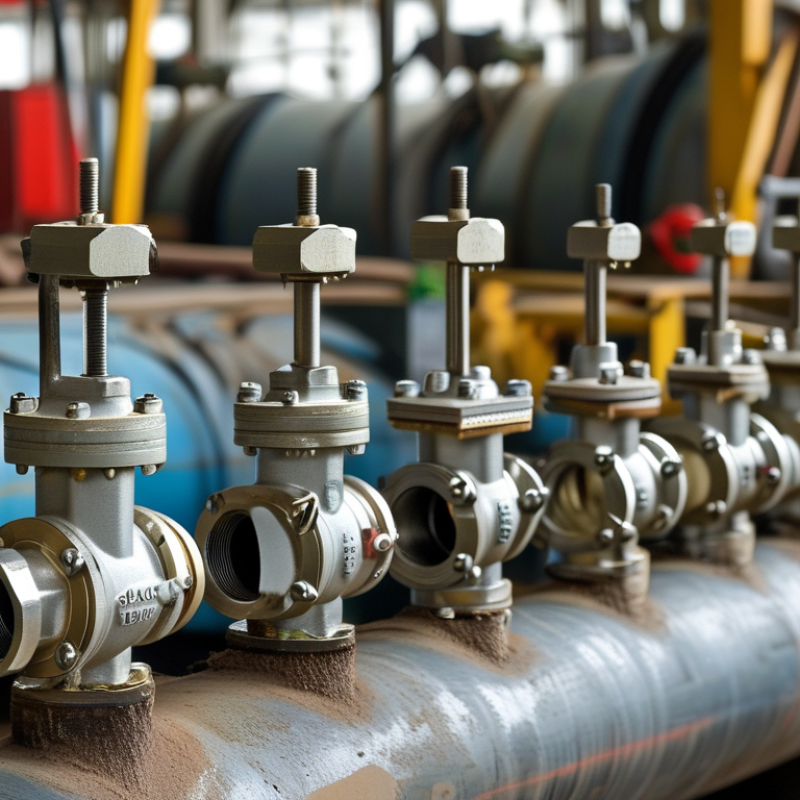

 KR VAVLE